Dr. G. Uday Kiran is a highly experienced Laparoscopic, Laser, Endoscopic, and Robotic Surgeon based in Hyderabad, with over a decade of expertise in minimally invasive gastrointestinal surgeries. He holds multiple fellowships including FMAS, FIAGES, EFIAGES, and FALS (Robotic & Bariatric), making him one of the most versatile and skilled surgical specialists in the region.
Dr. G. Uday Kiran is currently a Senior Consultant at Sree Nandaka Advanced Surgery, Gleneagles Hospital, and previously served at top institutions like Apollo, Vivekananda Multispeciality, and Zoi Hospitals. His areas of expertise include laparoscopic GI surgeries, endovenous laser procedures, bariatric and metabolic surgeries, diagnostic and therapeutic endoscopy (upper and lower GI), and laser proctology for piles, fissures, and fistulas.
Known for his patient-centric approach, Dr. G. Uday Kiran emphasizes the use of advanced, less invasive techniques that promote faster recovery, reduced pain, and better outcomes. He is deeply committed to ongoing learning and skill advancement and is equally passionate about mentoring the next generation of surgeons. With a reputation for surgical precision and compassionate care, Dr. Kiran continues to make a meaningful difference in the field of gastrointestinal surgery.
- Call Us: 7981480918
- Email Us: udaykirangdr@gmail.com
Dr. G Uday Kiran — Expert In Minimally Invasive Surgery
Specializes In Laparoscopic, Laser, Robotic And Gastrointestinal Treatments
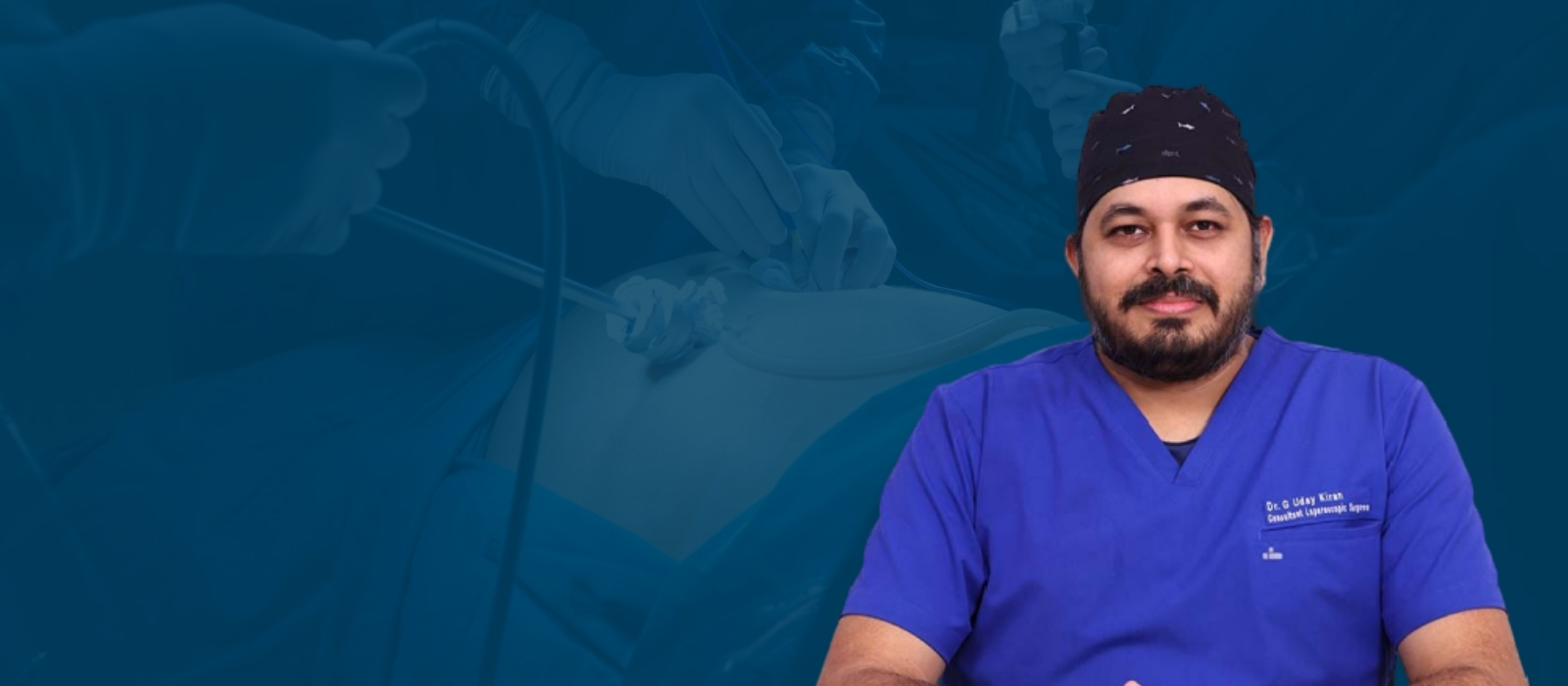
Dr G Uday Kiran — Leading General And Laparoscopic Surgeon
Over 15 Years Of Experience In Advanced Minimal Access Procedures
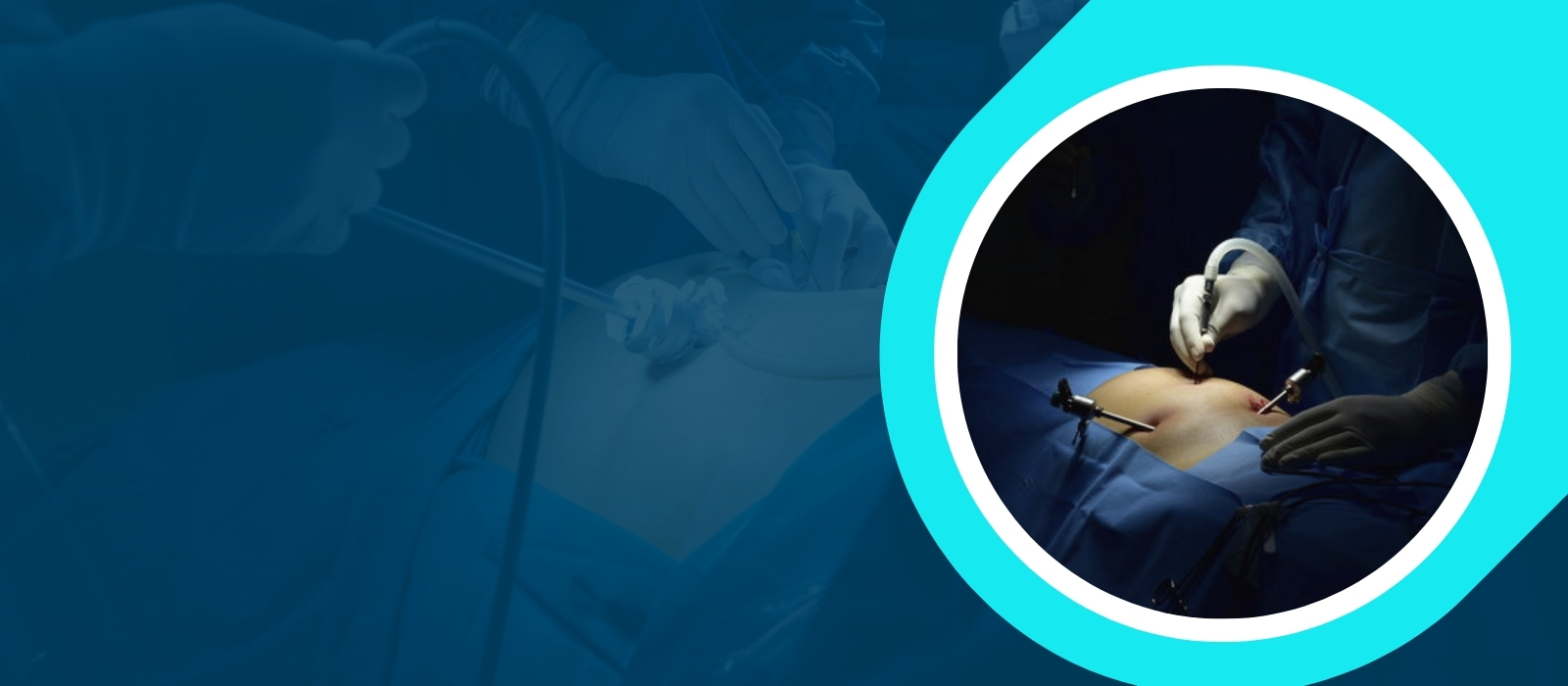
Dr. G Uday Kiran — Specialist In Laser Proctology Surgery
Treats Piles, Fissures, Fistulas With Cutting-Edge Laser Techniques

Dr. G Uday Kiran — Veteran In Gastrointestinal Surgical Care
Offers Endoscopic, Hernia, Gallbladder And Colorectal Surgeries Efficiently

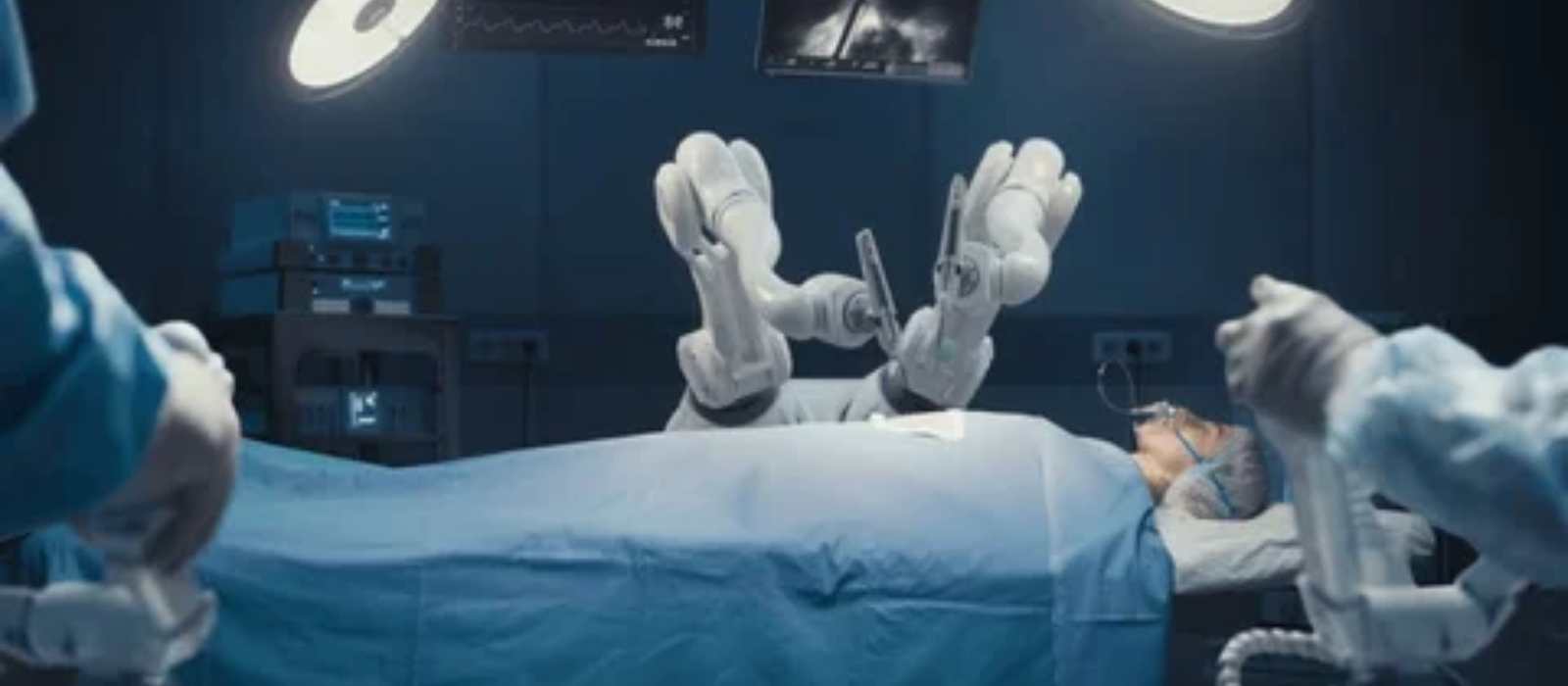
Dr. G Uday Kiran — Trusted Robotic And Bariatric Surgeon
Fellowships In Robotic, Minimal Access And Bariatric Surgical Techniques
.jpg)
.jpg)
.jpg)
.jpg)
.jpg)
Dr. G Uday Kiran
About Us
Advanced Laparoscopic, Laser & Robotic Surgeries with Compassionate Precision
Dr. G. Uday Kiran is a highly skilled and versatile Laparoscopic, Laser, Endoscopic, and Robotic Surgeon with over 10 years of experience in advanced surgical care. He specializes in a wide range of procedures, from routine to highly complex gastrointestinal and metabolic surgeries. His practice includes laparoscopic gallbladder removal (cholecystectomy), hernia surgeries (inguinal, umbilical, hiatal, and incisional), appendectomies, colorectal surgeries, gastrointestinal oncology, and robotic-assisted resections for precise tumor removal.
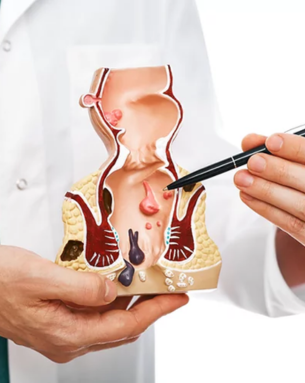
Dr. Uday Kiran is particularly renowned for his work in laser proctology, offering minimally invasive, painless treatments for piles, fissures, fistulas, and pilonidal sinus, which ensure faster recovery and fewer complications. He also performs bariatric surgeries such as sleeve gastrectomy and gastric bypass for obesity and metabolic disorders. His expertise extends to upper and lower GI endoscopy, both diagnostic and therapeutic, including procedures like polyp removal, dilatation, and foreign body extraction.
He is currently a Senior Consultant at several leading hospitals in Hyderabad and brings a patient-centered approach to every case. Dr. Uday Kiran emphasizes ethical care, evidence-based practices, and clear communication, ensuring patients feel fully informed and comfortable—whether they need basic day-care procedures or complex robotic surgeries.
Our Specialization
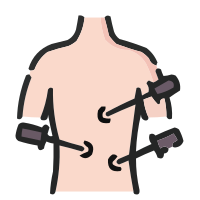
Laparoscopic Surgery, Laser Surgery, and General Surgery

Minimal Access Surgery

Minimal Invasive Proctology


Weight Loss Surgery

Laparoscopic Surgery
Our Healthcare Services
Comprehensive Surgical Care with Advanced Laparoscopy & Robotics
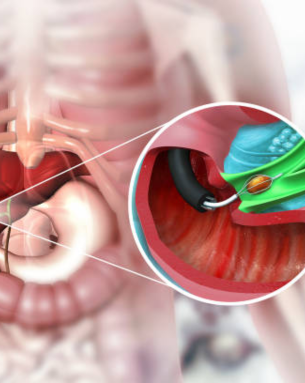
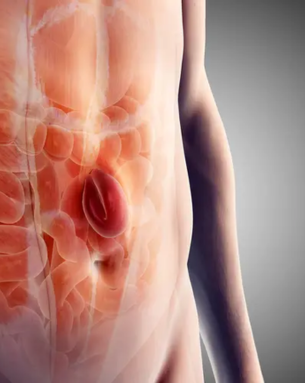
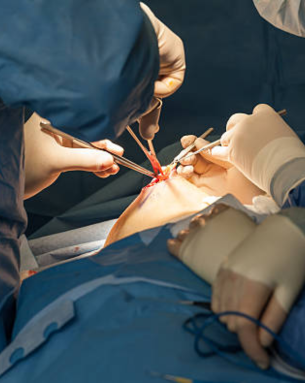

Dr. G Uday Kiran
Laparoscopic, Laser and General Surgeon, Bariatric Surgeon

- MBBS, MS, FMAS, FIAGES, EFIAGES, FALS(Robotic), FALS (Bariatric)
- 15.0 Years Of Experience
- Licence No. APMC/FMR/77475
- Call
- Video Call
- In person
Testimonials
What our Patients says about us
Dr G Uday Kiran expertly handled a chronic piles/fissure problem. With his treatment, I came out of a very painful situation. I am very thankful … and would not hesitate to recommend ….

Praveen Adapa
Best laparoscopic surgeon in Hyderabad. My mother-in-law’s gall bladder problem—when other surgeons refused—he operated with no post-op issues. Discharged the next day itself. Thank you, sir.
Manasa Prasad
After several visits to other doctors... Dr Uday Kiran diagnosed and treated my GI issue on first visit. He explained my problem well and focused on prevention rather than immediate surgery.
Saj D
Videos
Our Latest Videos

Frequently Asked Questions
Need Answers? Find them here...
What are the qualifications and areas of expertise of Dr. G. Uday Kiran, a renowned laparoscopic surgeon based in Hyderabad?
Dr. G. Uday Kiran is a highly experienced Laparoscopic, Laser, Endoscopic, and Robotic Surgeon with over a decade of expertise in minimally invasive gastrointestinal surgeries. He holds multiple fellowships, including FMAS, FIAGES, EFIAGES, and FALS (Robotic & Bariatric). His expertise encompasses laparoscopic GI surgeries, endovenous laser procedures, bariatric and metabolic surgeries, diagnostic and therapeutic endoscopy, and laser proctology for conditions like piles, fissures, and fistulas.
How does Dr. G. Uday Kiran approach patient care and surgical procedures?
Dr. G. Uday Kiran is known for his patient-centric approach, emphasizing advanced, minimally invasive techniques that lead to faster recovery, reduced pain, and better surgical outcomes. Committed to ongoing learning and skill advancement, Dr. Kiran has consistently demonstrated surgical precision and compassionate care. Additionally, he is dedicated to mentoring the next generation of surgeons, ensuring a lasting impact on the field of gastrointestinal surgery.
What are the benefits of choosing laparoscopic surgery for gallbladder removal?
Laparoscopic surgery for gallbladder removal, also known as cholecystectomy, offers numerous benefits over traditional open surgery. It involves smaller incisions, which means less postoperative pain, reduced scarring, and quicker recovery. Patients typically experience shorter hospital stays and can return to normal activities faster. Additionally, the risk of infections and complications is generally lower with laparoscopic procedures.
How is laparoscopic hernia surgery different from open hernia surgery?
Laparoscopic hernia surgery utilizes small incisions and a camera to repair hernias, offering patients less postoperative pain, reduced scarring, and faster recovery compared to open hernia surgery. The minimally invasive approach allows for a quicker return to normal activities, and it often results in a shorter hospital stay. This technique also minimizes the risk of infections and complicating factors associated with larger surgical wounds.
What should I expect during robotic breast surgery?
Robotic breast surgery is a minimally invasive technique utilizing robotic arms for precision and enhanced dexterity during procedures. Patients can expect smaller incisions, resulting in less scarring and a potentially quicker and more comfortable recovery. The use of robotics provides surgeons with a greater range of motion and access to hard-to-reach areas, which can improve surgical outcomes. Discuss all options with your surgeon to determine the best approach.
Can laser treatment be used for piles, fissures, and fistulas?
Yes, laser treatment is an effective option for treating piles (hemorrhoids), fissures, and fistulas. The technique is minimally invasive, offering rapid relief with minimal discomfort. Laser treatment can result in less bleeding, reduced postoperative pain, and faster healing. It is generally performed on an outpatient basis, allowing for a quicker return to daily activities. Consult with your surgeon to determine if laser treatment is suitable for your condition.
What types of surgeries fall under gastrointestinal surgeries?
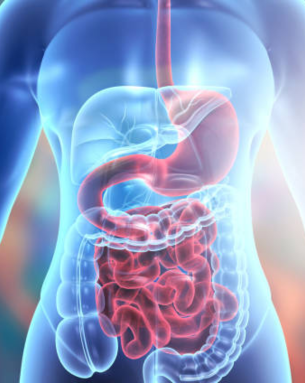
Gastrointestinal surgeries encompass a variety of procedures targeting the digestive tract, including the esophagus, stomach, intestines, liver, gallbladder, and pancreas. Common surgeries include appendectomies, cholecystectomies, and surgeries for disorders like Crohn’s disease or colon cancer. These procedures can be performed using traditional, laparoscopic, or robotic techniques. The choice of method depends on the specific condition and the patient's medical needs, often aiming for minimal invasiveness.
How do laparoscopic surgeries improve patient recovery?
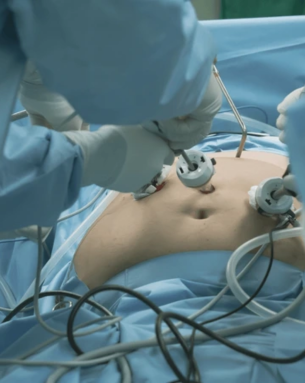
Laparoscopic surgeries are known for their minimally invasive nature, utilizing small incisions and a camera-guided technique. This approach significantly reduces postoperative pain, leads to minimal scarring, and speeds up recovery times compared to traditional open surgeries. Patients typically experience less risk of infection, shorter hospital stays, and a quicker return to normal activities. Laparoscopic surgeries are commonly used for procedures like hernia repairs and gallbladder removals.
What are bariatric surgeries and how do they assist in weight loss?
Bariatric surgeries are procedures designed to aid weight loss in individuals with obesity. Common types include gastric bypass, sleeve gastrectomy, and adjustable gastric banding. These surgeries work by restricting food intake or altering digestion, leading to significant weight loss. They're typically recommended for patients who haven't achieved lasting weight loss through other means and who have obesity-related health conditions. Discuss with a bariatric surgeon to explore suitable options.
What advantages do robotic surgeries offer over traditional methods?
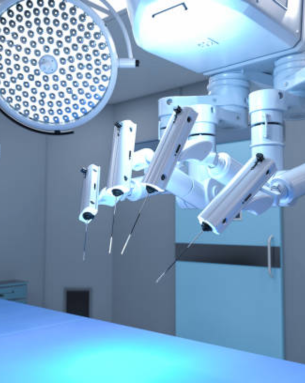
Robotic surgeries offer enhanced precision, flexibility, and control for complex procedures. The technology allows for smaller incisions, reducing not only scarring and postoperative pain but also recovery time. Surgeons benefit from increased dexterity and a 3D magnified view of the surgical site, which can improve accuracy and outcomes. Robotic surgeries are increasingly utilized in various fields like urology, gynecology, and cardiac surgery, providing significant patient benefits.
What training and expertise are required to perform emergency and trauma surgeries?
Performing emergency and trauma surgeries requires medical professionals to undergo extensive training, including a surgical residency and often specialization in trauma surgery. Surgeons must possess the expertise to make quick, decisive actions in life-threatening scenarios, combined with comprehensive knowledge of anatomy, critical care, and surgical techniques. Continuous education and skills enhancement are crucial to maintaining the ability to manage diverse and complex emergencies effectively and efficiently.
How effective are laparoscopic techniques in emergency surgeries?
Laparoscopic techniques in emergency surgeries offer rapid and less invasive options for addressing urgent medical conditions like appendicitis or gallbladder inflammation. This minimally invasive approach results in smaller incisions, leading to faster recovery times, reduced pain, and lower risk of infections. Laparoscopic procedures can often be completed more swiftly, which is crucial in emergency situations where time is of the essence, thereby improving overall patient outcomes.
What is the role of an endoscopist in gastrointestinal surgeries?
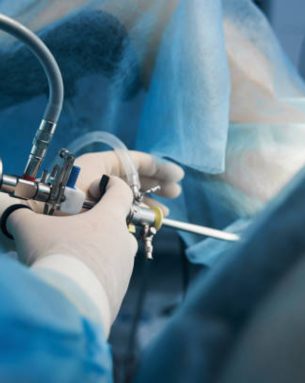
An endoscopist specializes in performing endoscopic procedures, which involve using a flexible tube with a camera to examine and treat gastrointestinal tract issues. These minimally invasive techniques allow for diagnosis, biopsy, and even treatment of conditions such as polyps or ulcers without the need for larger surgical interventions. Endoscopists play a critical role in both diagnostic and therapeutic applications, contributing significantly to patient care within gastrointestinal surgeries.
Is robotic surgery beneficial for bariatric procedures?
Robotic surgery is indeed beneficial for bariatric procedures, offering enhanced precision and control during complex weight loss surgeries. The robotic system provides a 3D view and articulated instruments that allow for greater dexterity, which can improve surgical outcomes. Benefits include smaller incisions, reduced postoperative pain, and faster recovery times. Patients undergoing robotic bariatric surgery often experience positive results in terms of weight loss and management of obesity-related conditions.
Location & Location Map
 Address :01, Sri Sampada Arcade,1, Khajaguda –Nanakramguda Rd, Hyderabad 500032, Telangana
Working Hours
MONDAYClosed
TUESDAYClosed
WEDNESDAYClosed
THURSDAYClosed
FRIDAYClosed
SATURDAYClosed
SUNDAYClosed